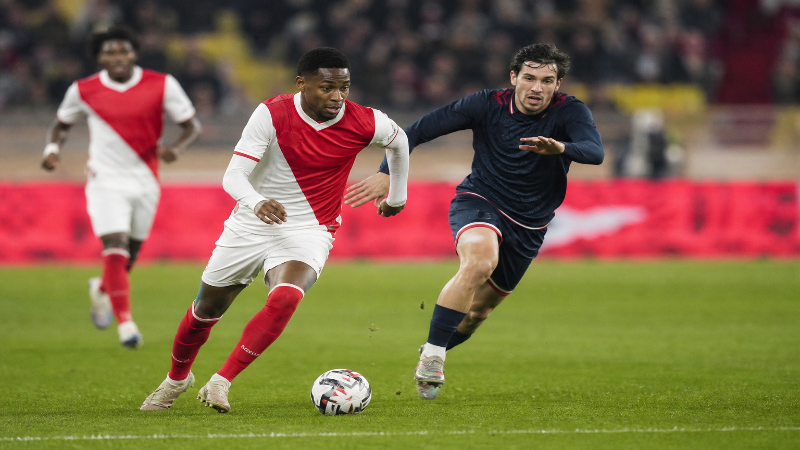
If history is a guide, AS Monaco vs Lille OSC at Stade Louis-II is defined by tight margins and late drama. The most common home scoreline in this fixture is 0-0 (six times), and across all meetings the 1-1 draw leads the way (nine times). That tradition of stalemates collides with a striking modern trend: Monaco score 25% of their goals between minutes 61-75, the highest share in the league, while Lille pack 45% of their strikes into the 76-90 window.
The head-to-head numbers underline a rivalry balanced yet subtly tilted toward the hosts in the Principality. Over the last 30 meetings with Monaco at home, Monaco have 13 wins, 11 draws and six defeats, with a 36-25 goal difference. Lille’s last away victory here dates back to 2019, a reminder that breaking the Monaco code at Louis-II requires a near-perfect night. Last season offered a familiar split: 0-0 in Monaco and 2-1 to Lille in the reverse fixture up north.
What does that mean for the next chapter? Expect patience early and punches traded late. The data points to a chess match through the first hour, before Monaco try to tilt the middle third with quicker combinations and set-piece pressure in their 61-75 sweet spot. If the hosts don’t land a blow, Lille’s habit of decisive late surges between 76-90 becomes the major risk factor for Monaco—a phase where fresh legs and transition moments often reshape the narrative.
Key battlegrounds will include set pieces, where a single delivery can break long-standing equilibrium, and the timing of substitutions. The side that better sequences its changes around the 60-minute mark could control the game’s highest-probability scoring windows. Given the rivalry’s low-scoring tendencies—0-0 and 1-1 as the modal results—concentration on the defensive line and discipline in defending the box will be paramount.
The implications are clear: the first goal, if it comes before the hour, may force the opponent to loosen the structure earlier than usual. If it remains goalless at halftime, the contest likely compresses into a half-hour sprint of risk management and precision. Monaco’s historic home edge argues for initiative; Lille’s late-scoring profile warns that the final act could belong to the visitors.
Forecast: a draw remains the statistical favorite, with 1-1 the likeliest outcome and 0-0 firmly in play. Yet the matchup’s defining late windows suggest that one decisive action—an accurate cross, a set-piece flick-on, or a transition break—could flip the balance for either side in the dying minutes.