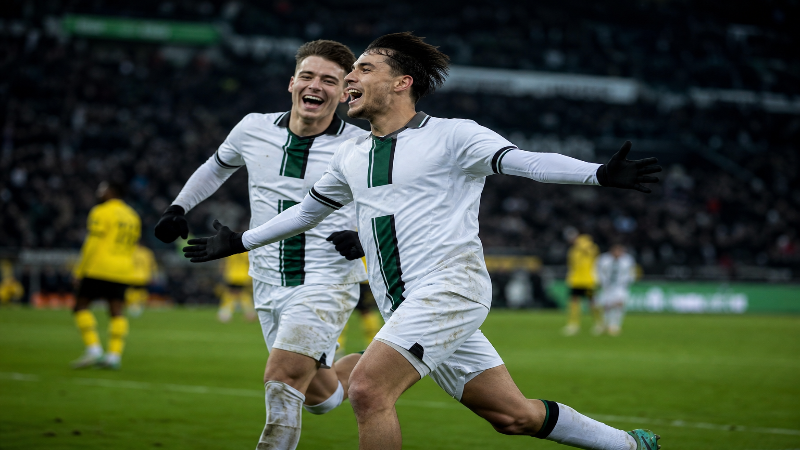
If this rivalry has taught us anything, it’s to keep watching until the final whistle. Borussia Dortmund score a league-high 30% of their goals from minutes 76–90, and Borussia Monchengladbach peak in the 61–75 window with 25% of their output—the highest share in the division. Layer in Gladbach’s six-game winless run and the result feels primed to hinge on second-half momentum swings.
History tilts toward Dortmund overall (39 wins to 17, 11 draws, 132–78 goals), but the Borussia-Park ledger is dead even: 13 Gladbach wins, 13 Dortmund wins, and eight draws, with the Foals holding a razor-thin 49–48 home goal edge across 34 meetings. Last season underlined the margins—1–1 in Gladbach, 3–2 in Dortmund—two matches decided by fine details and late-game resolve.
For Gladbach, the pattern is stark: subdued right after halftime (only 8% of goals arrive in minutes 46–60, the league’s lowest), then a surge between 61–75. That suggests coach instructions and substitutes can spark them, but it also warns against a sluggish restart that invites pressure. If they can manage transitions into their peak window—by compressing space in midfield, drawing Dortmund’s fullbacks forward, and then breaking quickly—they can tilt the contest before the final stretch.
Dortmund, meanwhile, have made a habit of closing strong. Their late-scoring profile reflects depth on the bench and an ability to push tempo once defenses tire. Expect BVB to probe patiently early, test Gladbach’s post-interval dip, and keep a substitution card ready for a decisive final-quarter burst. Set pieces and second balls could be pivotal as concentration wanes.
Key match rhythms to watch: Gladbach’s ignition between 61–75, Dortmund’s hammer from 76–90. If the hosts haven’t capitalized by the 75th minute, momentum trends towards the visitors. Conversely, an early second-half goal for the Foals changes the geometry and forces BVB to chase.
Prediction: a tight, tactical contest with high late-game volatility. Given Dortmund’s broader head-to-head edge and superior late punch, they hold a narrow advantage, but the venue parity means a draw remains a live outcome—especially if Gladbach hit their stride in that crucial third quarter of the match.