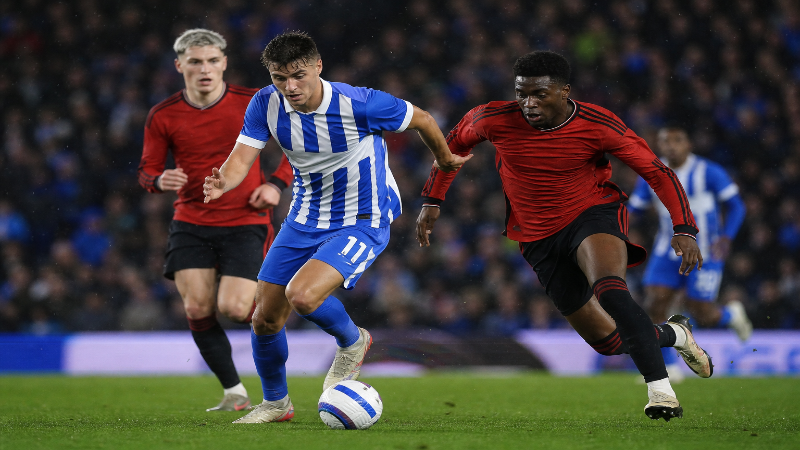
Watch the final 15 minutes: that’s where this matchup so often tilts. Brighton & Hove Albion score 31% of their Premier League goals between minutes 76–90, while Manchester United strike 24% in that same closing window. Few fixtures promise late drama quite like this one at the Amex.
The narrative is layered. United hold the broader historical edge across the last 21 meetings (11 wins to Brighton’s 9, with one draw) and a +6 goal cushion (34–28). Yet Brighton flipped the script last season, winning both encounters—2–1 at home and 3–1 away—showcasing a game plan that married front-foot pressing with ruthless transition play.
Home form strengthens Brighton’s case. The Seagulls have stitched together three successive Premier League wins at the Amex and have failed to score in only three of their 18 home league matches this season—clear evidence of sustained attacking output on familiar turf. United, however, arrive with resilience: unbeaten in their last five, they’ve steadied their late‑game management and have repeatedly found solutions off the bench.
The head-to-head numbers at Brighton underline how thin the margins can be. Across the last 10 meetings on the south coast, Brighton have five wins to United’s four (plus one draw), but the aggregate goals lean 14–13 to United—an unusual split that hints at big moments deciding tight contests rather than one side’s dominance.
Tactically, expect a duel between Brighton’s phase-of-play control and United’s pace in transition. Brighton’s late scoring trend speaks to fitness, structure, and patient chance creation; United’s late punch suggests impact substitutions and a willingness to take risks in the closing stages. Set pieces could be pivotal, especially if the match state tightens after the hour.
Implications are significant: Brighton aim to extend their home surge and reaffirm last season’s superiority in the matchup, while United will target statement points away against a top-tier home performer. Given both sides’ knack for late strikes, this contest may be decided by bench depth, composure under pressure, and the final tactical tweaks. In short: don’t leave early.