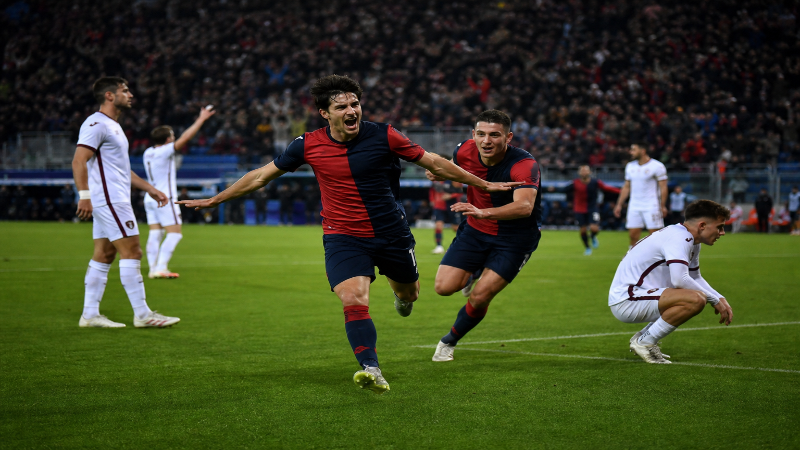
Expect a game decided in the final half-hour. Cagliari score a league-high 25% of their goals between minutes 61-75, while Torino strike 27% between 76-90. It sets up a compelling contest shaped by timing: can the hosts land first in the second half, and can the visitors finish the job late?
History reinforces the theme of razor-thin margins. When Cagliari host, the most common scoreline is 0-0 (four times), and overall the fixture’s most frequent result is 1-1 (seven matches). Across the last 21 meetings in Sardinia, Cagliari hold a slight edge (8 wins, 7 draws, 6 losses) with a 28-26 goal difference. Stretch the lens to 43 total clashes and Torino tilt the balance (17 wins to Cagliari’s 13, with 13 draws) and a 63-50 goal advantage. The pattern is clear: home comfort narrows the gap, but the matchup remains tight.
Last season underlined home advantage: Cagliari edged a 3-2 thriller on the island, Torino answered 2-0 in Turin. Those results hint at contrasting paths—Cagliari more open at home, Torino more methodical away—yet both sides typically need patience to break the deadlock.
Tactically, the clock is the battleground. Cagliari’s surge after the hour mark suggests an emphasis on energy injections—substitutions that raise the press, quicker wide delivery, and second-phase pressure around the box. Torino’s late punch points to control and structure: staying in games, winning territory step by step, then punishing lapses as legs tire. Set pieces and transitional moments could decide it; both teams have a history of turning small openings into decisive moments.
Implications are straightforward: secure the middle third, then manage the waves. If Cagliari score between 61-75, they must withstand Torino’s predictable late push. If Torino keep it level into the final quarter-hour, momentum swings their way. Given the prevalence of stalemates, a draw remains a live outcome, with 0-0 and 1-1 historically prominent. But if the contest breaks open, expect a one-goal margin and drama deep into stoppage time.