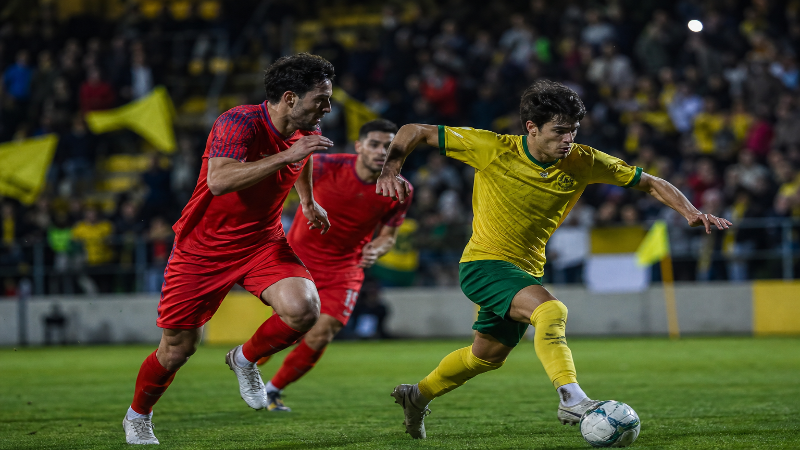
If this rivalry has a signature, it’s a tense finish. FC Pacos Ferreira score 28% of their goals between minutes 76-90, while FC Penafiel deliver an even larger 39% in that late window. Add a head-to-head history where the most common score is 2-1 (five times), and all signs point to a narrow game decided after the 75th minute.
Historically, Pacos have had the upper hand: in the last 14 meetings they lead 7 wins, 6 draws and just 1 loss, with a 23-17 goal difference. At home, the margin tightens. Across the last seven in their own stadium, Pacos are 3-3-1 with a slim 12-10 edge in goals. The pattern says Pacos tend to find a way—but not by much.
Recent memory warns against complacency. Last season both fixtures were won by the visiting side: Penafiel shocked Pacos 3-1 away, and Pacos answered with a 2-1 victory on the road. That home/away inversion suggests the matchup can swing on details—discipline in transition, sharp set-piece execution, and the timing of substitutions.
Two trends will shape the script. First, Pacos are slow starters: only 3% of their goals arrive in the opening 15 minutes, the lowest share in the league. Second, their home attack can stall—they failed to score in 6 of their 16 home matches in Liga Portugal 2. If Pacos don’t establish rhythm early, a late-charging Penafiel will sense opportunity. Conversely, Penafiel’s late surge comes with risk: committing numbers forward can leave space for Pacos to counter once fresh legs come on.
Tactically, the benches could decide it. Expect managers to hold a change for the final quarter-hour, where both teams statistically peak. Set-pieces will be crucial in a tightly contested game; the first goal should significantly tilt the odds, and a one-goal margin feels like the baseline outcome. Given the H2H edge and home comfort, Pacos retain a slight advantage. But last season’s away upsets, combined with Penafiel’s late-scoring profile, make a draw or a 2-1 swing either way very plausible.
Bottom line: a cagey duel likely resolved in the final stretch. Keep an eye on stoppage time—the data says that’s where this meeting is most often won or lost.