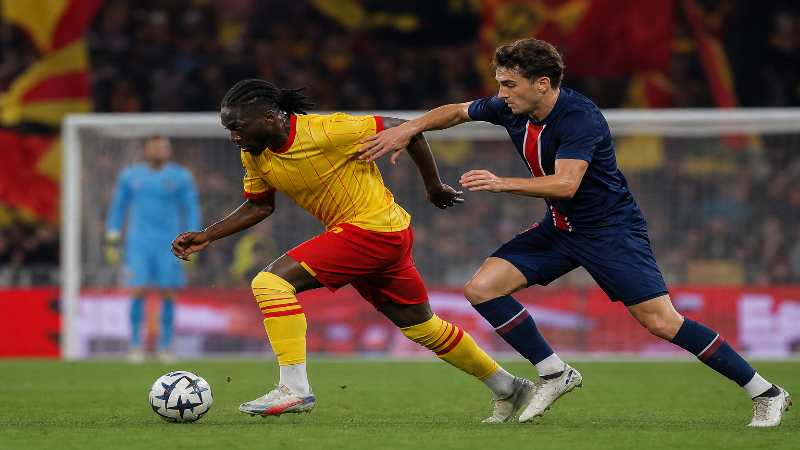
The matchup at the Stade Bollaert-Delelis arrives with a rare sense of equilibrium. Over the last 24 meetings in Lens, the record is perfectly split: eight home wins, eight draws, and eight away wins, with a razor-thin 33–32 goal edge for Racing Club de Lens. Yet Paris Saint-Germain carry the weight of history across 51 encounters overall, leading 25–14 with an 81–56 goal differential—and they completed a league double last season (1–0 at home, 2–1 away).
That tension between local balance and broader dominance shapes the narrative. The most common scoreline in this fixture is 1–1—six times in Lens, eight overall—signalling tight margins and recurring stalemates. If recent form is a compass, Lens have four successive Ligue 1 home wins, turning Bollaert into a fortress. PSG, meanwhile, remain the benchmark for game control and late-game clarity, traits that often tilt close contests.
One window could define it: minutes 46–60. Lens score 24% of their goals in that period, a post-interval surge fueled by energy, crowd lift, and halftime tweaks. How PSG negotiate this quarter-hour—containing momentum swings, managing field position, and slowing transitions—may be decisive. Conversely, if the visitors ride out that wave, their experience on the road and composure in the final third typically reasserts order.
Tactically, expect Lens to lean on intensity without the ball and quick vertical switches to disrupt PSG’s rhythm. Set-piece discipline will be vital on both sides in a game likely decided by details: first contacts, second balls, and rest-defense shape when possessions break down. The visitors will look to control tempo and minimize turnovers in the middle third, denying Lens the chaos they often convert into chances.
Implications reach beyond one night. For Lens, extending a home streak against a heavyweight validates top-tier ambitions. For PSG, imposing authority in a traditionally awkward venue reaffirms their Ligue 1 standard. Given the history, a narrow scoreline feels probable—and if the script breaks, watch the first quarter-hour after halftime or a late dead-ball as the moment that bends the result.