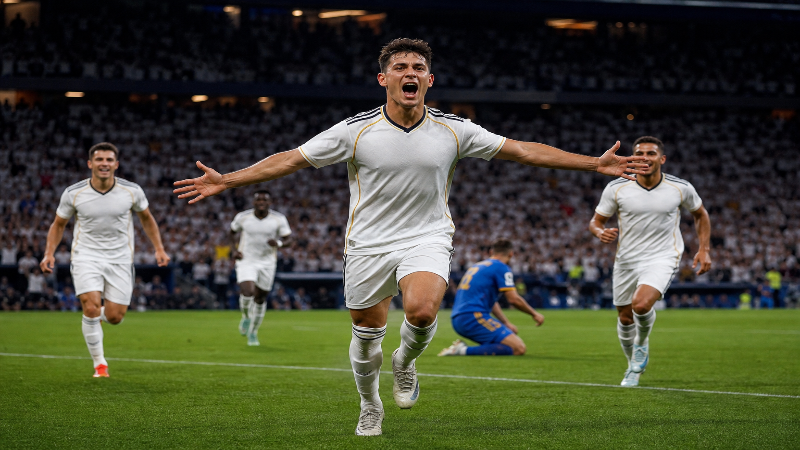
Real Madrid welcome Real Oviedo with history and timing on their side. Oviedo have not celebrated an away victory in Madrid since 1995, and the head-to-head ledger leans decisively toward the hosts: 11 wins for Real Madrid in the last 19 meetings (4 draws, 4 Oviedo wins), with a 46-20 goal difference. At the Bernabéu, the recent pattern is even starker—five wins, one draw, and two defeats for Madrid across the last eight home clashes, and no losses for the home side in their last five encounters on this ground.
Yet the matchup holds a twist: the most common scoreline between the clubs is 1-1, a result seen three times. That thread of resistance underscores the importance of game states and timing. Madrid score 24% of their goals between minutes 76 and 90, often turning tight games late. Oviedo, meanwhile, concentrate 31% of their output between minutes 31 and 45, a window that could tilt momentum before the interval.
From a tactical lens, Oviedo’s clearest blueprint is to compress the first half, strike before the break, and protect central spaces where Madrid typically accelerate after halftime. Set pieces and transitions just before the interval offer their best punch. But Madrid’s edge is multi-layered: a commanding historical goal difference at home (23-9 in the last eight in Madrid) and the capacity to change games with late surges—helped by fresh legs and positional rotations in the final quarter-hour.
Context this season strengthens the hosts’ outlook. Real Madrid have failed to score in only two of 17 LaLiga home matches, suggesting that even on off-days, a breakthrough is likely. Oviedo, winless in their last three against Madrid, need immaculate concentration and clinical finishing to disrupt the trend.
Key watchpoints: Oviedo’s assertiveness from 31–45 and Madrid’s relentless push from 76–90. If the visitors can leave halftime level or ahead, the specter of the classic 1-1 becomes plausible. If Madrid carry the game deep, the numbers say the Bernabéu clock becomes their twelfth man. Either way, this is a duel where history points one way—but the timing of the first and last blows could decide everything.