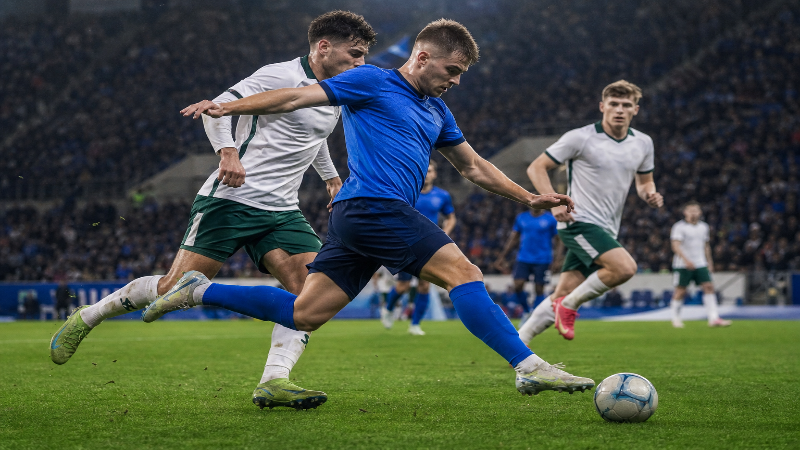
The numbers point to a game of swings. Werder Bremen arrive in Sinsheim with a clear edge in this fixture on Hoffenheim’s turf, and their late‑goal habit could prove decisive again. While TSG Hoffenheim boast the league’s highest share of goals between minutes 31 and 45 (31%), Werder strike a massive 39% of their goals from 76 to 90. That contrast frames a match primed for momentum shifts across both halves.
History reinforces the pattern. In 16 Bundesliga meetings with Hoffenheim at home, Bremen have won eight to TSG’s five, and the goal difference tilts 28–27 to the visitors. The single most common home scoreline is 1–2 in Bremen’s favor, and across all 36 league clashes the most frequent result is 1–1 (seven times). The overall ledger is tight: Bremen lead the wins 14–12, yet Hoffenheim actually edge total goals 61–58, underlining just how narrow the margins have been.
Last season turned the rivalry up another notch: both games were away wins and full of goals—Bremen took a 3–4 thriller in Sinsheim and Hoffenheim answered with a 1–3 in Bremen. If there is a reliable constant here, it is volatility. Leads have not been safe, and away teams have found joy by punching at pace in transition and punishing lapses late.
For Hoffenheim, the blueprint is clear. Start fast, convert pressure before halftime, and manage the middle third without gifting counters. Protecting the interval advantage is vital given Bremen’s late surge profile. Set‑piece discipline and game management around minute 70 onward will matter as much as early shot volume.
For Bremen, patience and structure are assets. Survive the expected TSG burst before the break, keep distances compact, and lean on fresh legs to tilt the final quarter‑hour. Their record in Sinsheim and their closing power suggest they will get chances as the match stretches.
Projection: Expect goals in both halves and another tight margin. The historical 1–1 remains live, but recent high‑scoring chapters hint at a wider scoreline. A draw or a narrow Bremen win aligns with the trends, especially if TSG cannot turn early dominance into a two‑goal cushion.