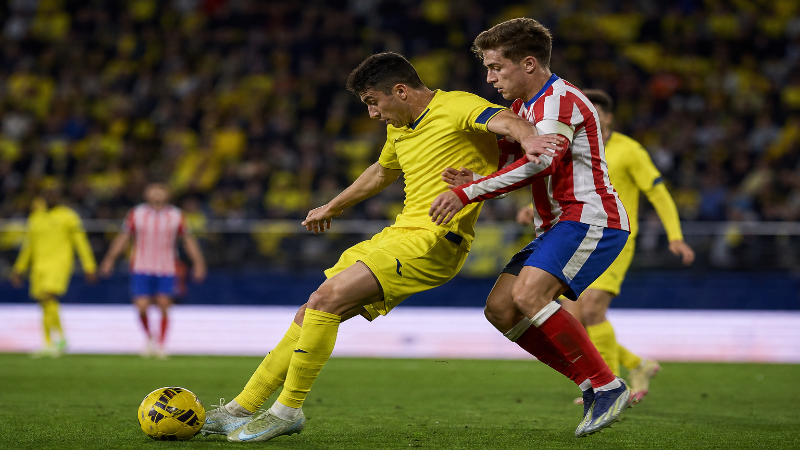
Villarreal return to La Cerámica with one statistic defining the narrative: they have not beaten Atletico Madrid at home since 2018. It’s an anomaly against the broader backdrop, because across the last 24 home meetings Villarreal hold the edge (10 wins, 9 draws, 5 losses; goals 38-28). Yet the more recent drought and Atletico’s overall head-to-head advantage across 49 clashes (Atleti 18 wins, 16 draws, Villarreal 15; goals 69-63) set the stage for another razor-thin contest.
Last season underlined the fine margins: 2-2 in Vila-real and 1-1 in Madrid. The data points to a clash of rhythms. Villarreal concentrate 22% of their goals between minutes 31-45, often surging before the interval. Atletico, by contrast, keep their punch for late—23% of their goals come between 76-90, a finishing kick that has broken many stalemates under pressure. Expect the first-half’s closing stretch and the final quarter-hour to feel like different matches entirely.
Both sides rarely leave empty-handed in their favored terrains. Villarreal have failed to score in just 2 of 18 LaLiga home games this season, while Atletico have drawn a blank in 3 of 18 away. That reliability suggests a game where both teams find the net, increasing the likelihood of a tight scoreline decided by timing and detail more than volume.
Personnel could sharpen that edge. Georges Mikautadze leads Villarreal’s scoring chart with 12 goals, while Alexander Sorloth has 13 this season—evidence of a front line that can threaten through varied movements and delivery. For Atletico, the late-game habit matters as much as any single name: their structure is built to absorb and then accelerate, turning marginal moments into points.
Key battlegrounds will be transitions after Villarreal’s pre-interval pressure and set-play discipline when legs tire late. If the hosts strike before half-time, they increase their odds of finally breaking the home hex; if Atletico survive the middle storm, their late surge becomes decisive. With recent history tilting to stalemates and each team’s scoring windows clearly defined, another draw feels plausible—unless one side masters those critical time zones and the small margins around them.
Implication: with both teams consistent in front of goal in these contexts, control of tempo and the final 20 minutes could outweigh any pre-match form line. Expect intrigue, timing, and a result settled on the edges.