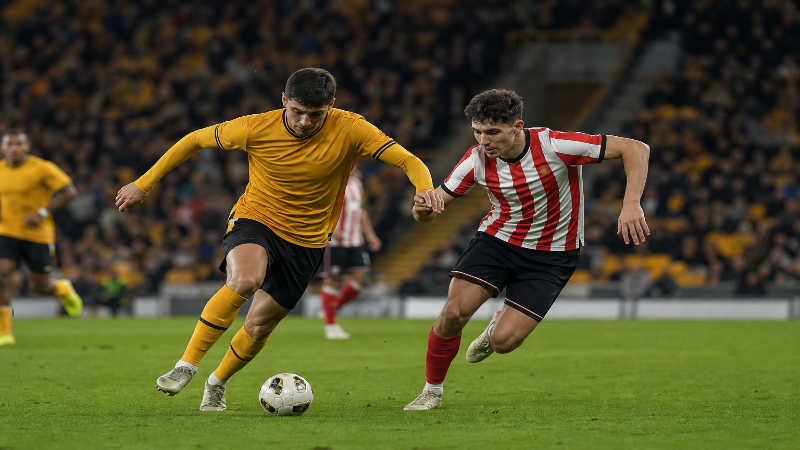
History points to a knife‑edge encounter: the most common scoreline between Wolverhampton Wanderers and Sunderland is 1-1, and no visiting Sunderland side has won at Molineux since 1998. Layer those trends onto Wolves’ modern home resilience and the Black Cats’ broader historical edge, and you get a matchup that leans toward tension, fine margins, and late drama.
At Molineux, Wolves own the recent head-to-head: across the last 11 home meetings, they’ve won five, drawn five, and lost just once, with a 15-9 goal difference. Yet the wider 23-game sample across all venues tilts back to Sunderland (8 wins to Wolves’ 7, with 8 draws), underlining a rivalry that flips depending on location and momentum.
Two time windows should shape tactical plans. Wolves score 29% of their goals between minutes 31–45, a surge that often changes team talks at the break. Expect Gary O’Neil’s side to funnel possession into the half-spaces before halftime, drawing fouls and piling on set-piece pressure. Sunderland, meanwhile, concentrate 31% of their goals from 76–90 minutes. That late punch will force Wolves to manage leads with discipline, protect crosses, and avoid transitional chaos as legs tire.
The 1-1 trend is not accidental. Both clubs historically find parity through compact shapes and direct counters. For Wolves, the home data suggests early control and a decisive spell before halftime. For Sunderland, the mission is to survive that surge and grow into the contest after the hour mark—fresh runners and energy from the bench could be decisive.
Key storylines: can Wolves translate their Molineux advantage into another result, or will Sunderland crack a 26‑year away drought with a late kick? If it becomes a set‑piece chess match, Wolves’ territorial waves favor them. If space opens in transition down the stretch, Sunderland’s late‑game profile looms large. Small margins—game management on yellow cards, box entries between 35–45, and subs around 70—may define the narrative.
Implication: the draw remains a live outcome given the rivalry’s symmetry, but the timing splits hint at a staged contest—Wolves early, Sunderland late. Whoever controls those windows likely controls the headline.